
Unlocking the Future of Healthcare, The Role of Telehealth and Remote Patient Monitoring
Unlocking the Future of Healthcare | The Role of Telehealth and Remote Patient Monitoring
| In recent years, the healthcare landscape has witnessed a significant transformation propelled by advancements in technology. Among the most groundbreaking innovations are telehealth and remote patient monitoring (RPM), which have revolutionized the way healthcare services are delivered and accessed. In this blog post, we’ll explore the profound impact of telehealth and RPM on modern healthcare and how they are shaping the future of medicine.


The Rise of Telehealth:
| Telehealth, also known as telemedicine, refers to the delivery of healthcare services remotely through telecommunications technology. It encompasses a wide range of services, including virtual consultations, remote diagnosis, and telemonitoring. The adoption of telehealth has surged in recent years, driven by factors such as improved internet connectivity, the proliferation of mobile devices, and the growing demand for convenient healthcare solutions.
Benefits of Telehealth:
| One of the primary benefits of telehealth is its ability to overcome geographical barriers, allowing patients to access quality healthcare regardless of their location. It eliminates the need for in-person visits, reducing travel time and expenses for patients. Telehealth also improves healthcare access for underserved populations, including rural communities and individuals with limited mobility.
Remote Patient Monitoring:
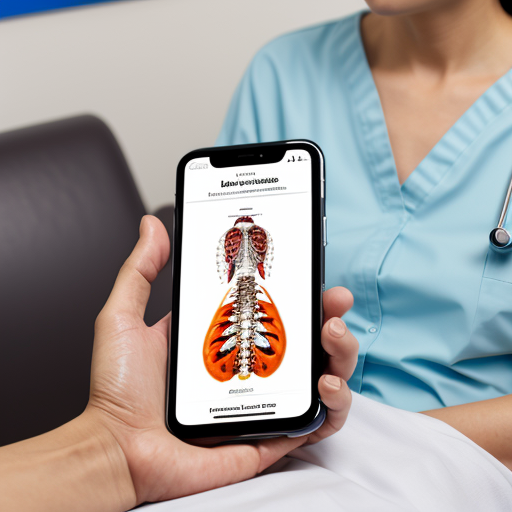
| Remote Patient Monitoring (RPM) is a subset of telehealth that involves the continuous monitoring of patients’ health data from a distance. RPM utilizes various digital technologies, such as wearable devices and mobile apps, to collect vital signs, symptoms, and other relevant health information in real-time. This data is then transmitted to healthcare providers for analysis and intervention as needed.
The Role of RPM in Chronic Disease Management:
| RPM plays a crucial role in managing chronic conditions such as diabetes, hypertension, and heart disease. By continuously monitoring patients’ vital signs and symptoms, healthcare providers can detect potential health issues early and intervene proactively, thereby preventing complications and hospitalizations. RPM also empowers patients to take an active role in managing their health, leading to improved outcomes and quality of life.

Telehealth and RPM in the Post-Pandemic Era:
| The COVID-19 pandemic accelerated the adoption of telehealth and RPM as healthcare providers sought alternative ways to deliver care while minimizing the risk of virus transmission. Although initially driven by necessity, the widespread acceptance of telehealth and RPM is expected to endure beyond the pandemic. Patients have grown accustomed to the convenience and accessibility of virtual care, prompting healthcare organizations to invest in telehealth infrastructure and expand remote monitoring capabilities.
Challenges and Opportunities:
| While telehealth and RPM offer numerous benefits, they also present challenges such as ensuring data privacy and security, addressing disparities in digital literacy, and integrating virtual care into existing healthcare workflows. However, these challenges present opportunities for innovation and collaboration among healthcare stakeholders to overcome barriers and unlock the full potential of telehealth and RPM.

| Telehealth and remote patient monitoring have emerged as transformative forces in healthcare, offering unprecedented opportunities to improve access, efficiency, and quality of care. As we navigate the evolving landscape of modern medicine, embracing telehealth and RPM will be crucial in shaping a future where healthcare is more accessible, equitable, and patient-centered.
